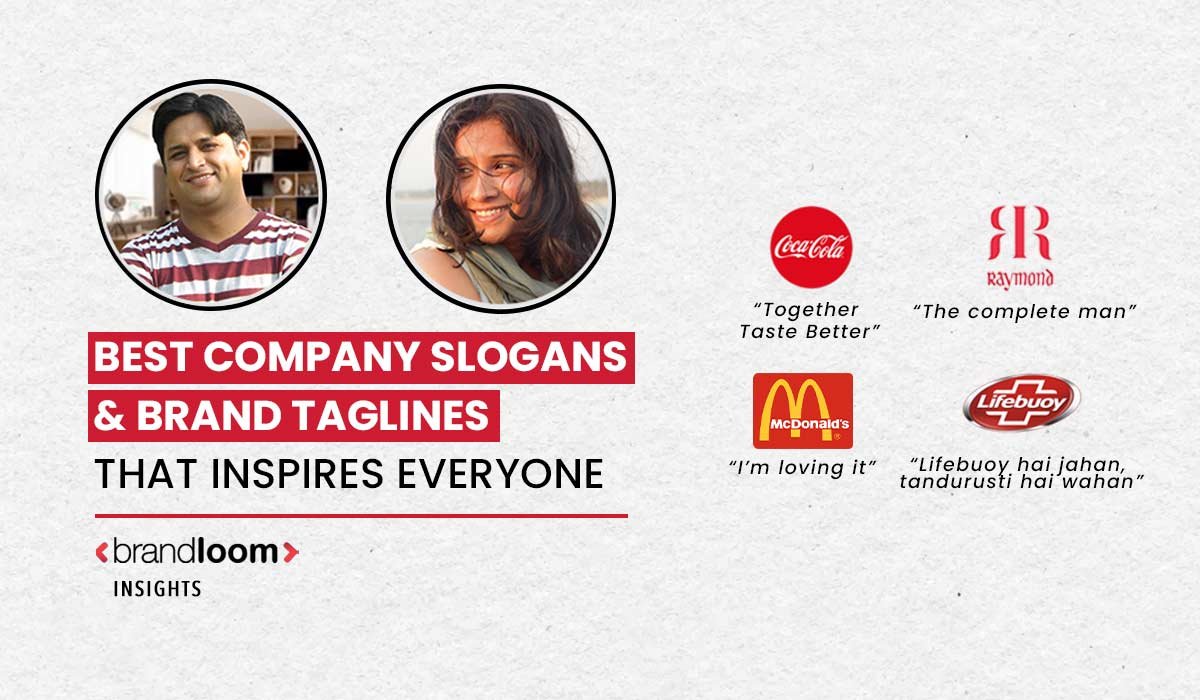
In the dynamic world of branding, a powerful slogan isn't just a catchy phrase; it's the heartbeat of your identity, a promise whispered to your audience. But even the most brilliant idea can fall flat without validation. That’s why Testing and Optimizing Your Brand's Slogan isn't merely an option—it's a strategic imperative that directly boosts customer engagement and fortifies your market position.
Think of your slogan as the ultimate elevator pitch, distilled into its most potent form. It’s the sonic logo that echoes in customers' minds, shaping their perception and fostering loyalty. Yet, many brands launch a slogan with little more than internal consensus, only to discover later that it fails to resonate, confuses the message, or worse, creates negative associations. This oversight can lead to costly missteps, diluted brand perception, and missed opportunities for genuine connection.
At a glance: Crafting an Irresistible Slogan
- Why Slogans Matter: They are essential for brand recognition, creating emotional connections, communicating value, and ensuring consistent marketing.
- The Power of Testing: Prevents expensive errors, improves brand perception, ensures alignment with audience expectations and values, boosts engagement, and mitigates risks.
- Key Slogan Elements: Simplicity, brevity (under 7 words), relevance, emotional appeal, and a unique voice.
- The Testing Blueprint: Define clear objectives, choose diverse methods (surveys, focus groups, A/B testing), interpret data judiciously, and be ready for iterative refinement.
- Real-World Success: Brands like Nike and Coca-Cola rigorously test their messaging to ensure impact and longevity.
- Your Action Plan: Define identity, brainstorm, refine, test, then finalize and implement consistently.
Why Your Slogan Isn't Just Words, It's a Promise
A truly great brand slogan does heavy lifting. It’s more than just a tagline; it’s a condensed expression of your brand's essence, its unique value, and its personality. From a business perspective, a memorable brand slogan is crucial because it significantly contributes to:
- Instant Brand Recognition: In a crowded marketplace, a unique and memorable slogan helps your brand stand out and become instantly identifiable. It's the verbal shorthand for your entire operation.
- Emotional Connection: The best slogans don't just state facts; they evoke feelings. They tap into aspirations, solve problems, or simply make people feel good, fostering a deeper, more personal bond with your audience.
- Clear Value Proposition: A well-crafted slogan succinctly communicates what you offer and why it matters. It answers the "What's in it for me?" question for your customers without them even having to ask.
- Marketing Consistency Across Platforms: A strong slogan acts as a unifying thread across all your marketing channels—from social media posts and print ads to TV commercials and website banners. It ensures your message is cohesive and reinforces your brand identity everywhere your audience encounters it.
Without these foundational elements, your marketing efforts risk feeling disjointed, and your brand risks becoming forgettable.
The High Cost of Guesswork: Why Testing is Non-Negotiable
Launching a slogan without thorough testing is akin to launching a product without market research. You’re leaving success to chance, and in today's competitive landscape, that’s a gamble few businesses can afford. The stakes are particularly high because an unvetted slogan can:
- Lead to Costly Missteps: Imagine investing significant resources into a campaign only to find your slogan is misunderstood or, worse, offends your target audience. Rebranding, reprinting, and re-campaigning are expensive, time-consuming endeavors.
- Harm Brand Perception: A slogan that doesn't align with audience expectations or company values can create confusion, erode trust, and damage your brand's reputation. It can make you seem out of touch or disingenuous.
- Diminish Customer Engagement and Loyalty: If your slogan fails to resonate or create an emotional connection, it won't inspire action or foster the long-term relationships vital for sustained growth. Engagement hinges on relevance and appeal.
- Increase Risks by Identifying Issues Too Late: Proactive testing acts as an early warning system. It allows you to uncover potential ambiguities, negative connotations, or cultural insensitivities before they become public relations nightmares. Identifying these issues early can save your brand from significant reputational damage.
Companies like Coca-Cola and Nike understand this implicitly. Coca-Cola, for example, has historically updated its branding, including its logo, based on extensive consumer reactions, demonstrating a commitment to staying in tune with its audience. Nike's iconic 'Just Do It' slogan wasn't just pulled from thin air; it underwent rigorous testing to ensure its universal impact and motivational punch. These giants don't guess; they test.
Anatomy of an Unforgettable Slogan
Before we dive into testing, it's essential to understand what makes a slogan effective in the first place. The best slogans share common characteristics that enable them to cut through noise and stick in the mind.
Simplicity: Easy to Grasp, Hard to Forget
Complexity is the enemy of memorability. A great slogan is direct, clear, and easy to understand at first glance. It doesn't require a second thought or explanation.
- Example: Nike's “Just Do It.” Three words, universally understood, powerfully motivating.
Brevity: The Shorter, The Better
Ideally, a slogan should be under seven words. This isn't an arbitrary rule but a guideline for recall. Short phrases are easier to process, remember, and repeat. They become part of the lexicon.
- Example: McDonald's “I’m Lovin’ It.” Four words that capture a feeling and a global brand.
Relevance: Speaking Directly to Your Audience
Your slogan must align seamlessly with your brand's mission, products, services, and the benefits you offer your target audience. It needs to make sense in context and reinforce what you stand for.
- Example: Subway's "Eat Fresh." Directly speaks to a core benefit and brand promise.
Emotional Appeal: Striking a Chord
The most impactful slogans resonate on an emotional level. They can inspire, comfort, excite, or evoke nostalgia. This emotional connection is what transforms a simple phrase into a powerful brand asset.
- Example: Coca-Cola's “Taste the Feeling.” It's not just about the drink; it's about the experience and emotion.
Unique Voice: Reflecting Brand Character
Your slogan should be distinctively you. It needs to reflect your brand's personality, whether that's playful, serious, innovative, or comforting. It should stand out from competitors and avoid clichés.
- Example: Apple's “Think Different.” Bold, inspiring, and perfectly encapsulating their challenger brand ethos.
Building Blocks: Defining Your Brand's Core Identity
Before you even think about words, you need to deeply understand who you are as a brand. This foundational step is often overlooked but is absolutely critical for crafting a slogan that truly represents you.
- Clarify Your Brand Values: What principles guide your business? Is it innovation, trust, community, sustainability, or something else? Your slogan should hint at these core values.
- Pinpoint Your Target Audience: Who are you trying to reach? What are their demographics, psychographics, needs, aspirations, and pain points? A slogan tailored to their world will always perform better.
- Identify Your Unique Selling Points (USPs): What makes you different and better than the competition? Is it your quality, price, service, technology, or approach? Your slogan should ideally encapsulate or hint at this distinction.
Defining these elements creates a clear filter through which all slogan ideas must pass. It ensures your eventual slogan is not just catchy, but also authentic and strategically aligned.
From Concept to Catchphrase: Brainstorming & Refining Your Ideas
Once your brand identity is rock-solid, it’s time to unleash your creativity. This phase is about quantity over quality initially, followed by ruthless refinement.
- Brainstorm Liberally: Gather your team and generate as many slogan ideas as possible. Don't censor—no idea is too silly at this stage. Think about different angles: what you do, what problems you solve, how you make people feel, your unique process. Consider using tools like a catchy slogan generator to kickstart your creativity and explore unexpected linguistic combinations.
- Play with Word Associations: List keywords related to your brand, product, and industry. Explore synonyms, antonyms, metaphors, and common phrases. How can you twist a familiar phrase to make it unique to your brand?
- Rhyme, Rhythm, and Alliteration: These literary devices can make a slogan more memorable and pleasing to the ear. "Taste the Feeling" has a nice rhythm.
- Refine for Impact: Now, apply the "Anatomy of an Unforgettable Slogan" checklist to your brainstormed list.
- Clarity: Is it immediately understandable?
- Brevity: Can you say it in fewer words without losing meaning?
- Emotional Appeal: Does it evoke the desired feeling?
- Uniqueness: Does it stand out and reflect your brand's specific character?
- Memorability: Is it easy to remember and repeat?
Pare down your list to your top 3-5 strongest contenders. These are the candidates ready for the ultimate test.
The Crucial Phase: Strategically Testing Your Slogans
This is where the rubber meets the road. Testing isn't about finding the right answer; it's about gathering data to make the most informed decision.
Setting Your Slogan Testing Compass: Clear Objectives
Before you launch any test, define what you want to achieve. What specific questions do you need answers to? Your objectives should be measurable and focused.
- Memorability: How easily can people recall the slogan after seeing it?
- Brand Alignment: Does the slogan accurately represent your brand's values and offerings?
- Emotional Resonance: What feelings does the slogan evoke? Are these the desired emotions?
- Clarity & Understanding: Is the message clear? Is there any confusion or misinterpretation?
- Preference: Which slogan do people simply like best, and why?
- Call to Action/Impact: Does the slogan inspire action or leave a lasting impression?
By setting clear objectives, you ensure your testing methods are appropriate and your data is actionable.
Your Slogan Testing Toolkit: Methods That Deliver Insights
Diverse testing methods offer a comprehensive view, balancing quantitative data with rich qualitative insights.
1. Surveys & Questionnaires: The Power of Broad Feedback
What they offer: Quantitative data on preferences, memorability, and initial reactions from a large audience. They are efficient for gauging broad sentiment.
How to use them:
- Audience: Target a demographic that closely matches your ideal customer.
- Questions: Ask participants to rate slogans on a scale for memorability, relevance, emotional impact, and clarity. Include open-ended questions like "What does this slogan make you think of?" or "What feelings does this slogan evoke?"
- Comparison: Present multiple slogan options (blinded, if possible, to avoid bias) and ask participants to choose their favorite and explain why.
- Tools: Platforms like Fast Poll can assist in quickly gauging audience reactions, allowing you to gather initial data for data-driven decisions swiftly.
2. Focus Groups: Uncovering "Why" Through Deep Dives
What they offer: Qualitative insights through detailed discussions, observing non-verbal cues, and understanding the nuances of how people react and interact with your slogan ideas. This method reveals the "why" behind the numbers.
How to use them:
- Participants: Recruit 6-10 individuals from your target audience.
- Moderation: Use a skilled moderator to facilitate discussion, ensuring everyone contributes and the conversation stays on track.
- Prompts: Present slogans one by one (or in small groups) and encourage participants to discuss:
- Their initial thoughts and feelings.
- What they believe the slogan means.
- How well it represents your brand.
- Any alternative interpretations or associations.
- Which slogan they would be most likely to remember or share.
- Observation: Pay close attention to body language, tone, and group dynamics. Sometimes, what's not said is as important as what is.
3. A/B Testing: The Head-to-Head Showdown
What it offers: Direct comparison of two versions of an element to see which performs better in a real-world scenario. Ideal for digital channels.
How to use it:
- Application: Best for testing slogans in a live environment, such as on landing pages, digital ads, or email subject lines.
- Setup: Create two identical versions of your marketing material, with the only difference being the slogan.
- Metrics: Measure tangible outcomes: click-through rates, conversion rates, time on page, or engagement metrics.
- Distribution: Show Slogan A to one segment of your audience and Slogan B to another, ensuring both segments are statistically similar.
- Analysis: After a statistically significant amount of data is collected, analyze which slogan drove better performance against your defined metrics.
Designing Effective Test Questions
When crafting your surveys or focus group prompts, focus on questions that directly address your objectives:
- "On a scale of 1-5, how memorable is this slogan?"
- "What emotions does this slogan evoke in you?"
- "Which of these slogans best describes [Your Brand/Product]?"
- "What do you think [Your Brand] does, based solely on this slogan?"
- "Is there anything confusing or unclear about this slogan?"
- "Would you share this slogan with a friend?"
Interpreting Your Results: From Data to Decision
Collecting data is only half the battle. The real value comes from judiciously interpreting your findings.
- Look for Patterns: Don't get hung up on individual outliers. Identify common themes, preferences, and concerns across your data.
- Compare Against Objectives: Did a particular slogan score high on memorability but low on brand alignment? Understand the trade-offs.
- Triangulate Data: Cross-reference quantitative data from surveys with qualitative insights from focus groups. Do the "what" and the "why" align? If a slogan scores high in a survey but focus groups reveal underlying confusion, you have a problem.
- Be Prepared for Further Tests: Sometimes, initial findings are inconclusive, or they reveal a need for a completely new direction. Don't be afraid to go back to the drawing board or refine your top contenders and re-test. This iterative process is a sign of a robust strategy, not a failure.
Brand managers must define clear objectives, choose appropriate methods, and interpret data judiciously, being prepared for further tests if initial findings are inconclusive. This iterative refinement is key to truly optimizing your brand's slogan.
Slogans That Stuck: Lessons from Industry Giants
Learning from the masters can illuminate the power of effective slogan creation and testing.
- McDonald’s: “I’m Lovin’ It”
- The Lesson: Emotional connection and global appeal. This slogan isn't about the food; it's about the feeling of enjoyment and familiarity. Its simplicity made it globally adaptable, a testament to successful cross-cultural resonance testing.
- Apple: “Think Different”
- The Lesson: Aspirational and values-driven. This slogan didn't describe a product; it defined a mindset and invited customers to join a movement. It resonated with those who identified as creative, non-conformist, and innovative, perfectly capturing Apple's brand ethos.
- Coca-Cola: “Taste the Feeling”
- The Lesson: Focus on experience. Moving beyond just "thirst-quenching," this slogan aims to connect the product with moments of joy, connection, and human experience. It's about how the drink makes you feel, a powerful emotional appeal that has been rigorously tested.
- Nike: “Just Do It”
- The Lesson: Universality and motivation. This short, powerful phrase transcends language and culture, inspiring action and perseverance. It doesn't tell you what to do, but how to approach life's challenges, making it incredibly versatile and deeply impactful. Its testing would have focused on its motivational impact and broad applicability.
These examples underscore the importance of understanding your brand's core message and ensuring your slogan amplifies it effectively, often after extensive audience testing to refine for maximum impact.
Avoiding the Pitfalls: Common Slogan Testing Mistakes
Even with the best intentions, several missteps can derail your slogan testing efforts. Be mindful of these common traps:
- Testing with the Wrong Audience: If your feedback comes from people outside your target demographic, it's irrelevant. Ensure your test groups accurately represent your ideal customer.
- Asking Leading Questions: Frame your questions neutrally to avoid influencing responses. Instead of "Don't you love how exciting this slogan is?", ask "What feelings does this slogan evoke?"
- Ignoring Negative Feedback: It's tempting to dismiss critical comments, but negative feedback is often the most valuable. It highlights areas for improvement or potential problems.
- Over-reliance on One Method: Using only surveys might give you numbers but no "why." Relying solely on focus groups might give you depth but lack statistical significance. A blend of methods provides a balanced perspective.
- Allowing Personal Bias to Cloud Judgment: You might have a favorite slogan, but the data should be your guide. Your personal preference is secondary to what resonates with your audience.
- Testing Too Many Slogans at Once: Presenting too many options can overwhelm participants and dilute the quality of feedback. Focus on a select few strong contenders.
By being aware of these pitfalls, you can conduct more robust and reliable slogan testing, leading to a truly optimized outcome.
Launching Your Champion Slogan: Implementation & Consistency
Once you've meticulously tested, refined, and chosen your winning slogan, the journey isn't over. The final crucial step is to weave it seamlessly into the fabric of your brand.
- Finalize and Document: Officially adopt the chosen slogan. Ensure it’s recorded in your brand guidelines, detailing its approved usage, context, and any associated visual elements.
- Consistent Implementation: This is paramount. Your slogan must appear consistently across all marketing materials and customer touchpoints:
- Website and Digital Presence: Homepage, social media profiles, ad creatives, email signatures.
- Print Materials: Business cards, brochures, packaging, signage.
- Internal Communications: Employee handbooks, internal presentations, company culture initiatives.
- Verbal Communications: Train your sales and customer service teams to incorporate it naturally into their pitches and interactions.
- Educate Your Team: Ensure everyone within your organization understands the new slogan, its meaning, and its importance to the brand. They are your first ambassadors.
Consistency builds recognition and reinforces the message. Inconsistency dilutes impact and can confuse your audience, undermining all the hard work put into testing and optimization.
Beyond the Launch: The Ongoing Journey of Slogan Optimization
Your brand is a living entity, and so is your slogan. While rigorous testing offers a solid foundation, the world keeps turning. Consumer preferences evolve, competitors emerge, and your brand itself might grow and shift.
Periodically, perhaps every few years or in response to major market changes, revisit your slogan. Conduct mini-tests, gather feedback, and assess its continued relevance and impact. Does it still resonate as strongly? Does it still accurately reflect your brand's current identity and offerings?
Sometimes, a slogan might need a subtle tweak; other times, a complete overhaul. The key is to remain agile and responsive, viewing your slogan not as a static artifact, but as a dynamic component of your evolving brand story.
Ready to Polish Your Brand's Voice?
Your brand's slogan is a powerful asset, a verbal beacon that guides your audience and defines your identity. Investing the time and resources in Testing and Optimizing Your Brand's Slogan is not an expense; it's an investment in clarity, connection, and long-term success.
By understanding what makes a slogan effective, rigorously testing your ideas with your target audience, and making data-driven decisions, you can ensure your brand’s voice is not just heard, but truly felt. So, take that next step. Define, brainstorm, refine, and most importantly, test. The perfect words are waiting to elevate your brand.